Rome has more masterpieces than any trip can hold, so you have to choose. These are the five must-see attractions in Rome we would never let a first-time guest miss, and you can reach every one of them by metro from Cornelia in about half an hour or less. For each one you’ll find what makes it special, how to book, what it costs and which stop to use. Prices and rules were checked on the official websites in October 2026.
The 5 must-see attractions in Rome at a glance
| Attraction | From Metro Cornelia | Booking | Full ticket |
|---|---|---|---|
| Colosseum, Roman Forum and Palatine | Line A to Termini, Line B to Colosseo | Required, timed | €18 |
| Vatican Museums and Sistine Chapel | Cipro, 3 stops | Strongly advised | €20, or €25 online |
| Pantheon | Spagna or Barberini, then 15 minutes on foot | Optional | €7 |
| Trevi Fountain | Barberini, then 7 minutes on foot | Not needed | €2 near the basin, free from the square |
| Borghese Gallery | Spagna or Flaminio, then 20 minutes through the park | Required | €16 plus €2 booking fee |
1. The Colosseum, Roman Forum and Palatine Hill
No photograph prepares you for the size of the Colosseum. Inaugurated in AD 80, it held around 50,000 spectators for gladiator fights and public shows. Your ticket also covers the Roman Forum, the heart of political life in ancient Rome, and the Palatine Hill above it, where the emperors built their palaces. Together they are a full day of history in the open air.
Tickets. Buy only on the official site, ticketing.colosseo.it. Tickets go on sale 30 days before the visit, carry the visitor’s name and are checked against an ID at the entrance, so type every name exactly as it appears on the passport. The standard 24-hour ticket costs €18 and includes one timed entry to the first and second levels of the Colosseum plus one entry to the Forum and Palatine. EU citizens aged 18 to 25 pay €2, and under-18s go free but still need to book online. The Full Experience tickets add the arena floor, the underground or the upper tiers and are valid for two days.
Hours. The Colosseum opens at 8:30. Closing time follows the season: until 24 October last entry is at 5:30 p.m., and from 25 October to the end of February the site closes at 4:30 p.m., with last entry at 3:30 p.m. From March the opening hours get longer again. Entry is free on the first Sunday of every month, when queues are at their longest, and the site is closed on 25 December and 1 January.
Good to know. Bags can’t be larger than 30 × 40 × 15 cm and there is no cloakroom, so leave backpacks at the apartment. Selfie sticks and glass bottles aren’t allowed. There’s little shade on the Forum and Palatine: bring water and a hat in summer.
Getting there. Take Line A to Termini, ten stops, then Line B toward Laurentina for two stops to Colosseo. The station exit faces the amphitheater. One ticket covers the change as long as you don’t leave the gates, and the whole trip takes about half an hour.
2. The Vatican Museums, the Sistine Chapel and St Peter’s
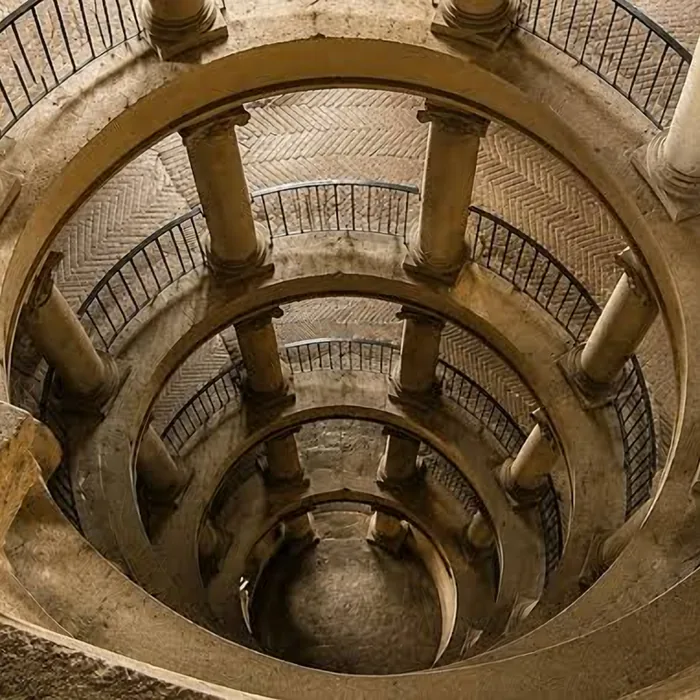
The Pope’s museums hold one of the world’s great art collections, from ancient sculptures such as the Laocoön to the Raphael Rooms, and the route ends in the Sistine Chapel under Michelangelo’s ceiling and his Last Judgment. Next door, St Peter’s Basilica is the largest church in Christendom and is free to enter.
It’s also the closest of the five to us: three stops on Line A to Cipro for the Museums, or four to Ottaviano for St Peter’s Square. The Museums are open Monday to Saturday from 8 a.m. to 8 p.m., with last entry at 6 p.m. A ticket costs €20 at the door or €25 on the official site, which lets you skip the ticket queue. Entry is free on the last Sunday of the month. Shoulders and knees must be covered.
For tickets, the best time to go, the route room by room and how to add the dome of St Peter’s, read our complete Vatican Museums guide.
3. The Pantheon
Almost 2,000 years after it was built under Emperor Hadrian, the Pantheon still has the largest unreinforced concrete dome in the world, 43 meters across, with a single opening at the top that lets in the sky and, on stormy days, the rain. The temple became a church in the seventh century, which is why it survived so well. Raphael is buried here, alongside the first two kings of Italy.
Tickets. Since 1 July 2026 a full ticket costs €7. Visitors aged 18 to 25 pay €2, under-18s go free, and so does everyone on the first Sunday of the month. Booking is optional: you can buy online through the Musei Italiani portal or app, or at the ticket desks and machines on site. Details are on the official Pantheon page.
Hours. Open every day from 9 a.m. to 7 p.m., with last entry at 6:30 p.m. During Mass (at 5 p.m. on Saturdays and the day before public holidays, at 10:30 a.m. on Sundays and public holidays) only worshippers are admitted, and ticket sales stop an hour before. It’s closed on 25 December and 1 January.
Getting there. No metro station is close by. From Spagna or Barberini it’s about 15 minutes on foot, or include it in the walk described after the Trevi Fountain.
4. The Trevi Fountain
Nicola Salvi’s Baroque fountain, completed in 1762, fills an entire small square with marble gods, horses and rushing water. It became world-famous with Anita Ekberg’s scene in La Dolce Vita. Tradition says that if you throw a coin over your left shoulder with your right hand, you’ll return to Rome; the coins are collected and given to charity.
New in 2026. Since 2 February 2026, a €2 ticket is needed to enter the area right in front of the basin from 9 a.m. to 10 p.m. (from 11:30 a.m. on Mondays and Fridays), including the first Sunday of the month. You can still see the fountain for free from the square, access is free outside those hours, and children under 6 never pay. Tickets are sold on fontanaditrevi.roma.it and on site, where only cards are accepted.
Our tip. Come early in the morning or late at night: the light is softer, the crowds thinner and, outside the ticketed hours, the steps by the water are free.
Getting there. Line A to Barberini, eight stops, then about seven minutes on foot.
A walk through the center: Spanish Steps, Trevi, Pantheon, Navona
Get off at Spagna and climb, or admire, the Spanish Steps; sitting on them is forbidden and can cost you a fine. From there it’s about ten minutes on foot to the Trevi Fountain, another ten to the Pantheon and five more to Piazza Navona, with Bernini’s Fountain of the Four Rivers. It’s an easy half-day, and the best way to see how close Rome’s landmarks are to each other.
5. The Borghese Gallery and Villa Borghese
A small museum with an extraordinary collection, set in a 17th-century villa in the middle of Rome’s best-loved park. Here you’ll see Bernini’s marble come alive in Apollo and Daphne and The Rape of Proserpina, Canova’s reclining Pauline Bonaparte and six paintings by Caravaggio. Afterwards, walk to the Pincio terrace for one of the finest views over Piazza del Popolo.
Tickets. Booking is required for everyone, including visitors with free tickets. Entry is on the hour and each visit lasts two hours. A full ticket costs €16, or €11 for the shorter last entry at 5:45 p.m., plus a €2 booking fee. EU citizens aged 18 to 25 pay €2 and under-18s go free. Book only through the official website or by phone on +39 06 32810 (Monday to Friday, 9:30 a.m. to 6 p.m.). There is no such thing as a “skip the line” ticket here, so be wary of resellers who offer one.
Hours. Tuesday to Sunday from 9 a.m. to 7 p.m., closed on Mondays and on 25 December and 1 January. Entry is free on the first Sunday of the month, but you still need to book and pay the €2 fee: those tickets are released ten days in advance and go fast.
Good to know. Only small bags up to 21 × 15 cm are allowed in the galleries; backpacks and shopping bags go to the cloakroom.
Getting there. Line A to Spagna or Flaminio, then about 20 minutes on foot through Villa Borghese. Buses stop at Pinciana/Museo Borghese, right by the entrance.
Rome in three days: how to fit them in
With three days in Rome, this is the plan we suggest to our guests:
- Day 1: the Vatican Museums first thing in the morning, St Peter’s Basilica in the afternoon.
- Day 2: the Colosseum, Roman Forum and Palatine, with a long lunch in between.
- Day 3: the Borghese Gallery in the morning, then the walk from the Spanish Steps to Trevi, the Pantheon and Piazza Navona.
Book the Colosseum, the Vatican and the Borghese Gallery as soon as your dates are fixed: they are the three that sell out.
Frequently asked questions
What are the must-see attractions in Rome?
For a first visit: the Colosseum with the Roman Forum and Palatine Hill, the Vatican Museums with the Sistine Chapel and St Peter’s Basilica, the Pantheon, the Trevi Fountain and the Borghese Gallery. All five are an easy metro ride from Cornelia.
Do I need to book the Colosseum in advance?
Yes. Colosseum entry requires a timed booking, tickets go on sale 30 days ahead on ticketing.colosseo.it, and each ticket carries the visitor’s name, checked against an ID at the entrance.
Is the Trevi Fountain free?
You can see it for free from the square. Since 2 February 2026, reaching the area right in front of the basin costs €2 from 9 a.m. to 10 p.m. (from 11:30 a.m. on Mondays and Fridays); outside those hours it’s free, and children under 6 never pay.
How much does it cost to visit the Pantheon?
€7 for a full ticket since 1 July 2026, €2 for visitors aged 18 to 25 and free for under-18s. Everyone gets in free on the first Sunday of the month, and booking is optional.
How do I get from Metro Cornelia to the Colosseum?
Take Line A to Termini, change to Line B toward Laurentina and get off two stops later at Colosseo. With one ticket and no exit through the gates, the trip takes about half an hour.
Stay close to the line
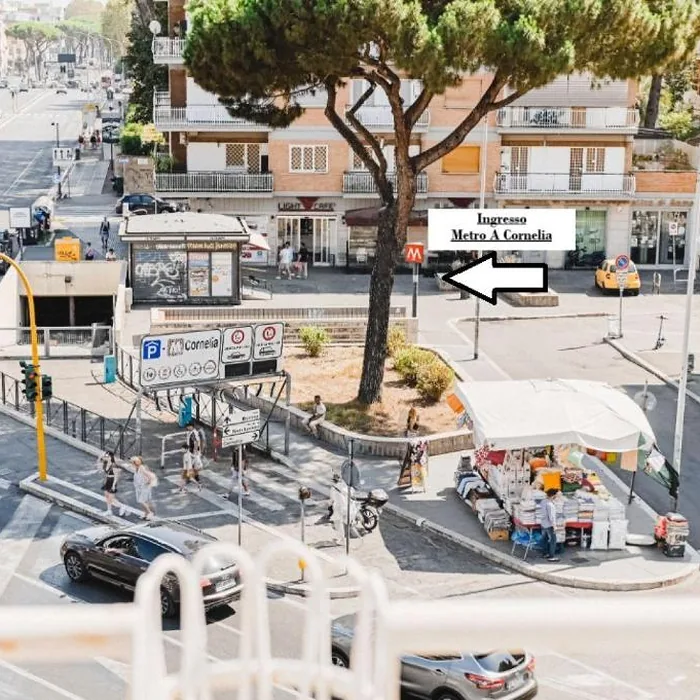
Staying by Metro Cornelia means starting every one of these days without a bus or a taxi: Line A is two minutes from the door. When you’re back from the center, our guide to things to do near Cornelia and Boccea has ideas for your evenings. Ready to plan your trip? Check availability at Cornelia Living Roma.
Information checked on the official websites of the Colosseum Archaeological Park, the Vatican Museums, the Pantheon, the Trevi Fountain and the Borghese Gallery in October 2026. Prices and hours can change, so please confirm before your visit.
5 attrazioni da vedere assolutamente a Roma (e come arrivarci in metro)
A Roma i capolavori sono più di quanti un solo viaggio possa contenerne, quindi bisogna scegliere. Queste sono le cinque attrazioni da vedere a Roma che consigliamo, senza eccezioni, a chi arriva in città per la prima volta, e le raggiungi tutte in metro da Cornelia in circa mezz’ora o meno. Per ognuna trovi che cosa la rende speciale, come prenotare, quanto costa e a quale fermata scendere. Prezzi e regole sono stati verificati sui siti ufficiali a ottobre 2026.
Le 5 attrazioni da vedere a Roma in sintesi
| Attrazione | Dalla metro Cornelia | Prenotazione | Biglietto intero |
|---|---|---|---|
| Colosseo, Foro Romano e Palatino | Linea A fino a Termini, poi linea B fino a Colosseo | Obbligatoria, con orario | 18 € |
| Musei Vaticani e Cappella Sistina | Cipro, 3 fermate | Vivamente consigliata | 20 €, 25 € online |
| Pantheon | Spagna o Barberini, poi 15 minuti a piedi | Facoltativa | 7 € |
| Fontana di Trevi | Barberini, poi 7 minuti a piedi | Non necessaria | 2 € davanti alla vasca, gratis dalla piazza |
| Galleria Borghese | Spagna o Flaminio, poi 20 minuti nel parco | Obbligatoria | 16 € + 2 € di prenotazione |
1. Colosseo, Foro Romano e Palatino
Nessuna fotografia ti prepara alle dimensioni del Colosseo. Inaugurato nell’80 d.C., accoglieva circa 50.000 spettatori per i combattimenti dei gladiatori e gli spettacoli pubblici. Con lo stesso biglietto visiti anche il Foro Romano, il cuore della vita politica dell’antica Roma, e il Palatino che lo domina dall’alto, dove gli imperatori costruirono i loro palazzi. Insieme valgono una giornata intera di storia all’aria aperta.
Biglietti. Acquistali solo sul sito ufficiale, ticketing.colosseo.it. Sono in vendita da 30 giorni prima della visita, sono nominativi e all’ingresso vengono controllati insieme a un documento d’identità: scrivi ogni nome esattamente come compare sul documento. Il biglietto ordinario 24h costa 18 euro e comprende un ingresso con orario al primo e al secondo livello del Colosseo e un ingresso al Foro Romano e al Palatino. I cittadini dell’Unione europea tra 18 e 25 anni pagano 2 euro; i minori di 18 anni entrano gratis, ma devono comunque prenotare online. I biglietti Full Experience aggiungono l’arena, i sotterranei o i livelli superiori e valgono due giorni.
Orari. Il Colosseo apre alle 8:30. L’orario di chiusura cambia con le stagioni: fino al 24 ottobre l’ultimo ingresso è alle 17:30, mentre dal 25 ottobre a fine febbraio il parco chiude alle 16:30, con ultimo ingresso alle 15:30. Da marzo gli orari tornano ad allungarsi. L’ingresso è gratuito la prima domenica di ogni mese, che è anche il giorno con le code più lunghe; il sito è chiuso il 25 dicembre e il 1° gennaio.
Da sapere. Le borse non possono superare 30 × 40 × 15 cm e non c’è un guardaroba: meglio lasciare lo zaino in appartamento. Non sono ammessi bastoni per selfie e bottiglie di vetro. Al Foro e sul Palatino c’è poca ombra: d’estate porta acqua e cappello.
Come arrivare. Prendi la linea A fino a Termini, dieci fermate, poi la linea B direzione Laurentina per due fermate fino a Colosseo: l’uscita della stazione è proprio davanti all’anfiteatro. Un solo biglietto vale anche per il cambio, purché tu non esca dai tornelli, e in tutto ci vuole circa mezz’ora.
2. Musei Vaticani, Cappella Sistina e San Pietro
I Musei dei Papi custodiscono una delle più grandi collezioni d’arte al mondo, dalle sculture antiche come il Laocoonte alle Stanze di Raffaello, e il percorso si conclude nella Cappella Sistina, sotto la volta e il Giudizio Universale di Michelangelo. Accanto, la Basilica di San Pietro è la chiesa più grande della cristianità, e l’ingresso è gratuito.
Delle cinque è anche la più vicina a noi: tre fermate di linea A fino a Cipro per i Musei, oppure quattro fino a Ottaviano per Piazza San Pietro. I Musei sono aperti dal lunedì al sabato dalle 8 alle 20, con ultimo ingresso alle 18. Il biglietto costa 20 euro in biglietteria o 25 euro sul sito ufficiale, che ti evita la coda alla cassa. L’ultima domenica del mese l’ingresso è gratuito. Spalle e ginocchia devono essere coperte.
Per biglietti, orari migliori, il percorso sala per sala e la salita alla cupola di San Pietro, leggi la nostra guida completa ai Musei Vaticani (in inglese).
3. Il Pantheon
Quasi 2.000 anni dopo la sua costruzione, sotto l’imperatore Adriano, il Pantheon ha ancora la cupola in calcestruzzo non armato più grande del mondo: 43 metri di diametro, con un’unica apertura in cima, l’oculo, da cui entrano il cielo e, nei giorni di temporale, la pioggia. Nel VII secolo il tempio fu trasformato in chiesa, ed è per questo che si è conservato così bene. Qui riposano Raffaello e i primi due re d’Italia.
Biglietti. Dal 1° luglio 2026 il biglietto intero costa 7 euro. Chi ha tra 18 e 25 anni paga 2 euro, i minori di 18 anni entrano gratis e la prima domenica del mese l’ingresso è gratuito per tutti. La prenotazione è facoltativa: puoi acquistare online sul portale o sull’app Musei Italiani, oppure in loco, alle biglietterie e ai totem. Tutti i dettagli sono sulla pagina ufficiale del Pantheon.
Orari. Aperto tutti i giorni dalle 9 alle 19, con ultimo ingresso alle 18:30. Durante la Messa (alle 17 il sabato e i prefestivi, alle 10:30 la domenica e i festivi) entrano solo i fedeli, e la vendita dei biglietti si ferma un’ora prima. Chiuso il 25 dicembre e il 1° gennaio.
Come arrivare. Non ci sono fermate della metro vicine. Da Spagna o da Barberini sono circa 15 minuti a piedi; in alternativa, inseriscilo nella passeggiata descritta dopo la Fontana di Trevi.
4. La Fontana di Trevi
La fontana barocca di Nicola Salvi, completata nel 1762, occupa un’intera piazzetta con divinità di marmo, cavalli e acqua che scroscia. È diventata famosa in tutto il mondo con la scena di Anita Ekberg nella Dolce Vita. La tradizione vuole che, se lanci una moneta con la mano destra sopra la spalla sinistra, tornerai a Roma; le monete vengono raccolte e devolute in beneficenza.
Novità 2026. Dal 2 febbraio 2026, per accedere all’area a ridosso della vasca serve un biglietto da 2 euro dalle 9 alle 22 (dalle 11:30 il lunedì e il venerdì), anche la prima domenica del mese. La fontana si può sempre ammirare gratis dalla piazza, e fuori da questi orari anche l’accesso alla vasca è libero. Sono esenti i residenti a Roma e nella Città metropolitana (con documento), i bambini sotto i 6 anni e le persone con disabilità con un accompagnatore. I biglietti si acquistano su fontanaditrevi.roma.it e in loco, dove si paga solo con carta.
Il nostro consiglio. Vieni la mattina presto o a tarda sera: la luce è più morbida, c’è meno gente e, fuori dagli orari a pagamento, puoi scendere gratis fino alla vasca.
Come arrivare. Linea A fino a Barberini, otto fermate, poi circa sette minuti a piedi.
Una passeggiata in centro: Piazza di Spagna, Trevi, Pantheon, Navona
Scendi a Spagna e sali, o ammira dal basso, la scalinata di Trinità dei Monti: sedersi sui gradini è vietato e può costare una multa. Da lì sono circa dieci minuti a piedi fino alla Fontana di Trevi, altri dieci fino al Pantheon e cinque fino a Piazza Navona, con la Fontana dei Quattro Fiumi di Bernini. È una mezza giornata senza fatica, e il modo migliore per scoprire quanto sono vicini tra loro i monumenti di Roma.
5. Galleria Borghese e Villa Borghese
Un museo piccolo con una collezione straordinaria, in una villa del Seicento nel cuore del parco più amato dai romani. Qui vedrai il marmo prendere vita nell’Apollo e Dafne e nel Ratto di Proserpina di Bernini, la Paolina Borghese di Canova e sei dipinti di Caravaggio. Dopo la visita, raggiungi la terrazza del Pincio per uno dei panorami più belli su Piazza del Popolo.
Biglietti. La prenotazione è obbligatoria per tutti, anche per chi ha diritto all’ingresso gratuito. Si entra a ogni ora e la visita dura due ore. Il biglietto intero costa 16 euro, oppure 11 euro per l’ultimo turno delle 17:45, più breve, e a ogni biglietto si aggiungono 2 euro di prenotazione. I cittadini dell’Unione europea tra 18 e 25 anni pagano 2 euro e i minori di 18 anni entrano gratis. Prenota solo sul sito ufficiale o al telefono, allo 06 32810 (dal lunedì al venerdì, 9:30–18). Qui non esistono biglietti “salta fila”: diffida dei rivenditori che li propongono.
Orari. Dal martedì alla domenica dalle 9 alle 19; chiuso il lunedì, il 25 dicembre e il 1° gennaio. La prima domenica del mese l’ingresso è gratuito, ma bisogna comunque prenotare e pagare i 2 euro di prenotazione: i biglietti escono dieci giorni prima e finiscono in fretta.
Da sapere. Nelle sale sono ammesse solo borse piccole, fino a 21 × 15 cm; zaini e shopper vanno lasciati al guardaroba.
Come arrivare. Linea A fino a Spagna o Flaminio, poi circa 20 minuti a piedi attraverso Villa Borghese. Gli autobus fermano a Pinciana/Museo Borghese, proprio accanto all’ingresso.
Cosa vedere a Roma in tre giorni
Con tre giorni a disposizione, questo è il programma che suggeriamo ai nostri ospiti:
- Giorno 1: i Musei Vaticani di prima mattina, la Basilica di San Pietro nel pomeriggio.
- Giorno 2: Colosseo, Foro Romano e Palatino, con una lunga pausa pranzo nel mezzo.
- Giorno 3: la Galleria Borghese al mattino, poi la passeggiata da Piazza di Spagna a Trevi, al Pantheon e a Piazza Navona.
Prenota Colosseo, Musei Vaticani e Galleria Borghese appena hai le date: sono le tre attrazioni che vanno esaurite più spesso.
Domande frequenti
Quali sono le attrazioni da vedere assolutamente a Roma?
Per una prima visita: il Colosseo con il Foro Romano e il Palatino, i Musei Vaticani con la Cappella Sistina e la Basilica di San Pietro, il Pantheon, la Fontana di Trevi e la Galleria Borghese. Tutte e cinque si raggiungono facilmente in metro da Cornelia.
Bisogna prenotare il Colosseo?
Sì. Per il Colosseo serve una prenotazione con orario: i biglietti sono in vendita da 30 giorni prima su ticketing.colosseo.it e sono nominativi, con controllo del documento all’ingresso.
La Fontana di Trevi è a pagamento?
Dalla piazza si vede gratis. Dal 2 febbraio 2026 l’accesso all’area davanti alla vasca costa 2 euro dalle 9 alle 22 (dalle 11:30 il lunedì e il venerdì); fuori da questi orari è gratuito. Non pagano, tra gli altri, i residenti a Roma e nella Città metropolitana e i bambini sotto i 6 anni.
Quanto costa il biglietto del Pantheon?
Dal 1° luglio 2026 l’intero costa 7 euro e il ridotto per chi ha tra 18 e 25 anni 2 euro; i minori di 18 anni entrano gratis. La prima domenica del mese l’ingresso è gratuito per tutti, e la prenotazione è facoltativa.
Come si arriva al Colosseo dalla metro Cornelia?
Prendi la linea A fino a Termini, cambia sulla linea B direzione Laurentina e scendi dopo due fermate, a Colosseo. Con un solo biglietto e senza uscire dai tornelli, ci vuole circa mezz’ora.
A due minuti dalla metro A
Soggiornare vicino alla metro Cornelia significa iniziare ognuna di queste giornate senza autobus né taxi: la linea A è a due minuti da casa. Quando rientri dal centro, la nostra guida su cosa fare tra Cornelia e Boccea (in inglese) ha qualche idea per le tue serate. Stai organizzando il viaggio? Verifica le date disponibili su Cornelia Living Roma.
Informazioni verificate a ottobre 2026 sui siti ufficiali del Parco archeologico del Colosseo, dei Musei Vaticani, del Pantheon, della Fontana di Trevi e della Galleria Borghese. Prezzi e orari possono cambiare: controllali prima della visita.